Funding
E-Rate Category Two for FY2027: What Districts Should Do Before the Filing Window
FY2027 is the second year of the FY2026 to 2030 E-Rate Category Two budget cycle. Districts should update student counts in EPC during the administrative window that opened October 21, 2026, post an FCC Form 470 at least 28 days before they file the Form 471, and plan Category Two spending for switches, Wi-Fi, cabling and basic firewall. Security cameras, door hardware and panic systems are not E-Rate eligible, so they need other funding.
E-Rate is one of the most valuable funding sources a district has for network infrastructure, and the network is what every modern security system rides on. Planning both together saves money. This guide covers the FY2027 timeline and how security fits around it. For the full funding picture, see our school security grants and funding page.
What is the Category Two budget cycle?
Category Two covers internal connections, the equipment that moves data inside a school building. Each school or library gets a five-year, pre-discount budget. The FY2026 to 2030 cycle raised the per-student multiplier to $201.57 and the funding floor to $30,175, and unused funds from the prior cycle did not roll over. Discounts on Category Two run as high as 85 percent depending on poverty level and location.
What are the key FY2027 dates?
- October 21, 2026: The EPC administrative window opened. Update entities and student counts now.
- Before the Form 471 window: The administrative window closes shortly before the FY2027 filing window opens in early 2027.
- 28 days before you file: Your Form 470 must be posted at least 28 days before you submit the Form 471.
- Early 2027: The FY2027 Form 471 filing window opens. Check USAC announcements for exact dates.
What does Category Two cover?
Category Two covers internal connections, managed internal broadband services and basic maintenance. In practice, that means:
- Network switches and routers inside the building
- Wireless access points and controllers
- Structured cabling and racks
- Basic firewall service
- Caching and certain licenses tied to eligible equipment
Can E-Rate pay for security cameras?
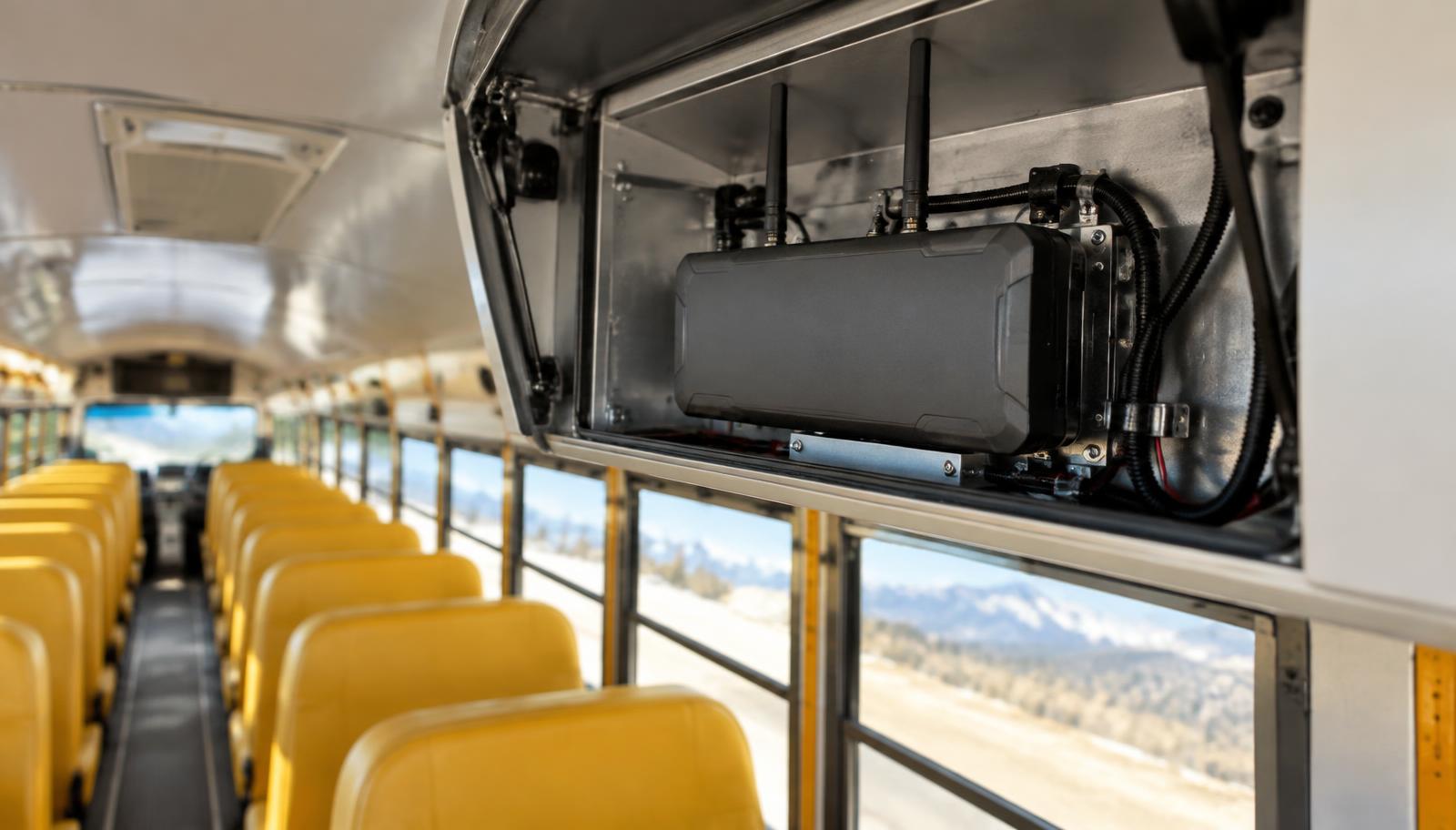
No. Security cameras, video management software, access control, door hardware and panic alert systems are not E-Rate eligible. The FCC also removed bus Wi-Fi and off-premises hotspots from eligibility, which we covered in our post on school bus Wi-Fi and E-Rate. Security needs state grants, bonds or the general fund.
How should districts plan network and security together?
The smart move is to size the E-Rate funded network for the security systems you plan to add. IP cameras, door controllers and panic alerts all draw on switch ports, Power over Ethernet budget and bandwidth.
- Inventory current and planned cameras, door readers and alert devices by building.
- Calculate the switch ports and PoE power those devices need.
- Specify switches in your Form 470 with that capacity, since the switches are eligible even when cameras are not.
- Plan VLANs and network segmentation for security devices.
- Fund the cameras and doors separately through state school security grants.
Our school district camera systems page explains how camera networks are designed, and our cost per door guide helps with access control budgeting.
What mistakes cost districts Category Two funding?
The most common problems are procedural rather than technical. A Form 470 that does not describe the services clearly, or that names a single manufacturer without allowing equivalents, can lead to denials. Missing the 28 day waiting period between posting the Form 470 and filing the Form 471 is another frequent issue, and it is entirely avoidable with a simple calendar.
Districts also lose value by spending the budget unevenly. A district that spends most of its five-year budget on one building in year one may find nothing left when another building's switches reach end of life. Map every building's network age and plan spending across the cycle.
Finally, document how you evaluated bids. Price of eligible services must be the primary factor, and auditors look for a clear bid evaluation record. Keep it with your E-Rate files for at least ten years. A good E-Rate consultant and a vendor who understands the rules make each of these steps easier.
Next step
Planning network upgrades this cycle? Call 303 596 7819 and we will help you size switches and cabling for the cameras and doors you plan to add, so the network is ready when security funding arrives.
This article is for planning purposes and is not E-Rate or legal advice. Confirm dates and eligibility with USAC and your E-Rate consultant.
Frequently asked questions
- Is FY2027 a good year to use Category Two funds?
- Many districts spread spending across the cycle. Year two works well for projects that were planned but not filed in year one.
- Do unused FY2026 to 2030 funds roll over?
- Within the cycle, yes. Unspent budget carries across the five years. It does not roll into the next cycle.
- Can PoE switches for cameras be E-Rate funded?
- Eligible switches are funded based on their network function. The cameras themselves are not eligible. Consult your E-Rate consultant on cost allocation.
- When must the Form 470 be posted?
- At least 28 days before you certify the Form 471. Posting early is safer.
- What funds security if not E-Rate?
- State school security grants, bond programs and local budgets. Availability changes year to year.