Technology
How License Plate Recognition Parking Enforcement Works: Mobile LPR, Virtual Chalking and Digital Permits
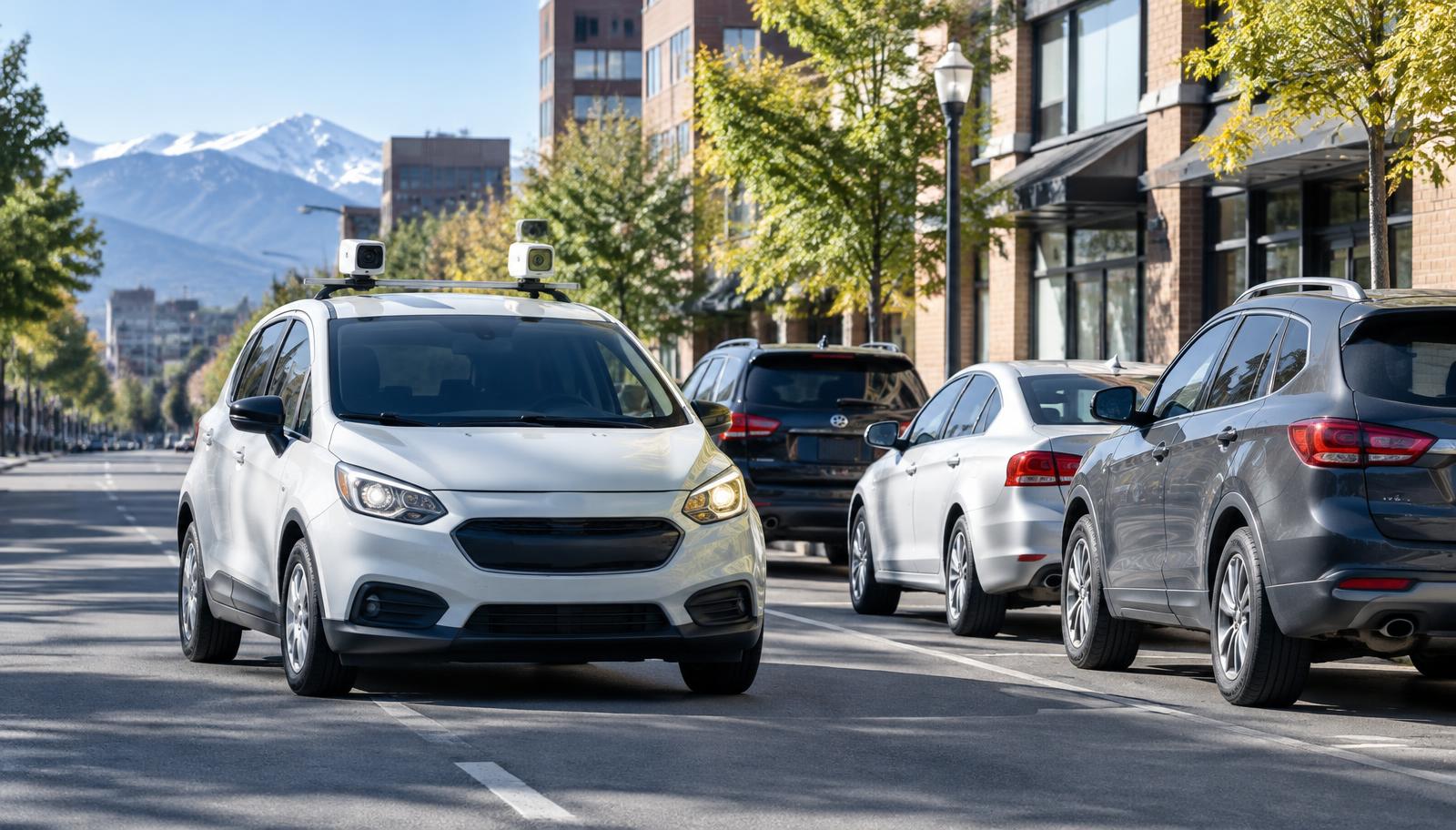
License plate recognition parking enforcement uses cameras to read plates as an officer drives, walks or watches a lot, then checks each plate automatically against time limits, permits, paid sessions and scofflaw lists. The officer only stops for vehicles that are out of compliance, and the camera supplies the photo evidence.
That is why cities, universities and parking operators adopt it. One officer in a car covers far more spaces than one officer on foot, and the time spent checking compliant cars drops to almost nothing.
The parts of a system
- Cameras. Two to four plate cameras on a patrol vehicle, fixed cameras at lot entrances and exits, or a phone or handheld app for hard to reach spots.
- GPS. Each read is stamped with a precise location, which is how the system knows which zone, block face or stall a car is in.
- In-vehicle software. Shows the officer alerts, evidence photos and the route.
- Back office. Holds permits, paid sessions, rules by zone, hotlists, citations and reporting, and connects to the payment and ticketing systems you already run.
In a Genetec deployment, for example, the patrol software is Genetec Patroller, mobile cameras with built-in GPS detect zones automatically as the vehicle moves, a handheld app covers plates the vehicle cannot see, and fixed cameras at entrances give real-time occupancy so you know where enforcement is needed. The same platform can run video surveillance across the parking facility.
What it enforces
- Time limits through virtual chalking. First pass records the plate, position and time. A later pass flags the car if it has not moved and the limit has passed.
- Permits. The plate is the permit. No hang tags or stickers to check, steal or forge.
- Paid parking. Pay-by-plate sessions from meters and apps are checked as the car is read.
- Scofflaws. Vehicles with unpaid citations over your threshold are flagged for boot or tow.
- Occupancy. Fixed entry and exit reads count vehicles in a lot or structure in real time.
Fixed, mobile or handheld
- Mobile, on a car or cart, covers on-street parking and large surface lots fastest.
- Fixed, at gates and entrances, suits garages, permit lots and occupancy counting.
- Handheld fills gaps: back-in parking, tight structures, the one plate the vehicle cameras miss.
Most programs combine two of the three. See parking structure and fleet yard security for how fixed plate recognition fits a facility.
The chalk question
Virtual chalking exists partly because physical chalking got into legal trouble. In Taylor v. City of Saginaw, the Sixth Circuit held that chalking a tire without a warrant is a search under the Fourth Amendment and, in 2021, that it does not qualify as an administrative search. In 2022 the Ninth Circuit reached the opposite result, upholding chalking under the administrative search exception. So the circuits are split.
We are not aware of a Tenth Circuit decision, and that court covers all four states we serve. Virtual chalking avoids touching the vehicle at all, which removes the physical trespass argument. It does create data, which is why the retention and access policy below matters more, not less.
What affects accuracy
- Camera angle and mounting height, which matter more than resolution.
- Patrol speed. Most programs set a speed the system was tuned for and hold to it.
- Plate condition. Dirt, bent plates, trailer hitches and bike racks hide characters.
- Colorado winters. Snow, slush, road treatment residue and low sun angle all cut read rates.
- Out-of-state plates, specialty plates and temporary tags, which need their own handling.
A well run program measures its read rate on real routes, by season, and keeps manual entry for the misses. Ask any vendor to show read rate data from a city with winters like yours.
Data policy for a parking program
Parking enforcement only needs to know where a car is for as long as it is parked. Write the policy to match:
- Reads of compliant vehicles expire quickly, often within days.
- Reads tied to a citation follow your appeal window and records schedule.
- Parking data stays separate from any law enforcement hotlist unless your city decides otherwise, in writing.
- Every search of the data is logged with a user and a reason.
- The policy is published in plain language.
Colorado has no comprehensive plate reader statute, so most of these rules come from your policy and contract. See Colorado license plate reader laws in 2026 for what does apply.
How to roll it out
- Map zones, time limits and permit rules exactly as your ordinance and signage state them.
- Pilot one district or lot with one vehicle for a full season.
- Measure read rate, citations per hour, appeal rate and officer feedback.
- Tune routes and patrol speed, then expand.
- Tell the public before the first citation: what is read, why, how long it is kept.
Where to go next
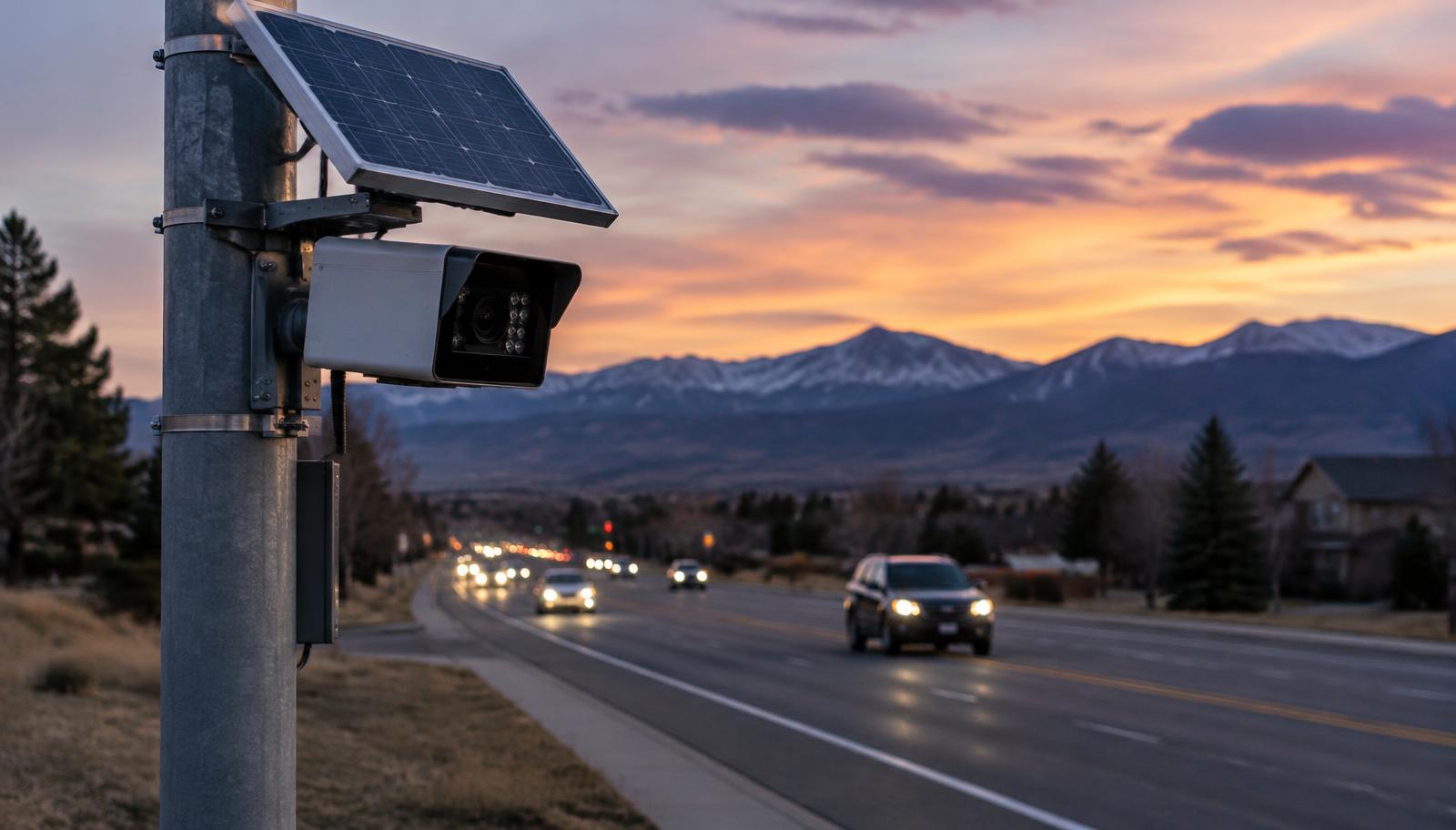
For fixed and mobile deployments for cities and campuses, see law enforcement and parking enforcement. For solar powered fixed cameras, see CloudRunner ALPR. To scope a parking enforcement pilot in Colorado, Wyoming, Utah or New Mexico, call 303 596 7819.
This post is general planning information, not legal advice. Court decisions and local rules change, so confirm your program design with your city attorney or counsel.
Frequently asked questions
- How does license plate recognition parking enforcement work?
- Cameras on a patrol vehicle, a fixed pole or a handheld device read plates, tag each read with time and GPS location, and compare it in real time against permits, paid sessions, time limits and scofflaw lists. When a vehicle is out of compliance, the officer gets an alert with photo evidence and issues the citation.
- What is virtual chalking?
- Virtual chalking replaces chalk on a tire. The system records a vehicle's plate, position and time on the first pass, then flags it on a later pass if it is still in the same spot past the time limit. The evidence is a set of timestamped, geotagged photos.
- Is tire chalking legal?
- It depends on the circuit. The Sixth Circuit ruled in Taylor v. City of Saginaw that warrantless tire chalking is an unconstitutional search. The Ninth Circuit ruled the other way in 2022 under the administrative search exception. We are not aware of a ruling from the Tenth Circuit, which covers Colorado, Wyoming, Utah and New Mexico.
- Does LPR parking enforcement work in snow?
- Mostly, but Colorado winters cost accuracy. Snow, slush and road treatment residue on plates, plus low winter sun, reduce reads. Good programs track their read rate by season and keep manual plate entry as a fallback.
- How long should parking plate reads be kept?
- Only as long as the parking purpose needs. Reads of compliant vehicles can expire within days. Reads tied to a citation follow your appeal and records schedule. Keep parking data separate from any law enforcement hotlist program.
- Can parking LPR also find stolen cars?
- Technically yes, if a law enforcement hotlist is loaded. That turns a parking program into a law enforcement program, with different policy, retention and public expectations. Decide it on purpose, in writing, with your police department and counsel.