Transit
Transit Bus Security Cameras: How Agencies Use Video to Prevent Operator Assaults
Transit bus security cameras for operator assault prevention make misconduct visible, help dispatch understand a developing incident and preserve evidence for investigation. Cameras do not replace training or barriers. They connect deterrence, a covert operator alert, live look-in and a controlled evidence workflow into one practical protection program.
A complete program starts with the agency's wider public transportation security strategy. The bus is one operating environment inside that strategy. Vehicle coverage, dispatch procedures, labor input and evidence rules must work together before a camera can improve an operator's outcome.
How do onboard cameras deter and document operator assaults?
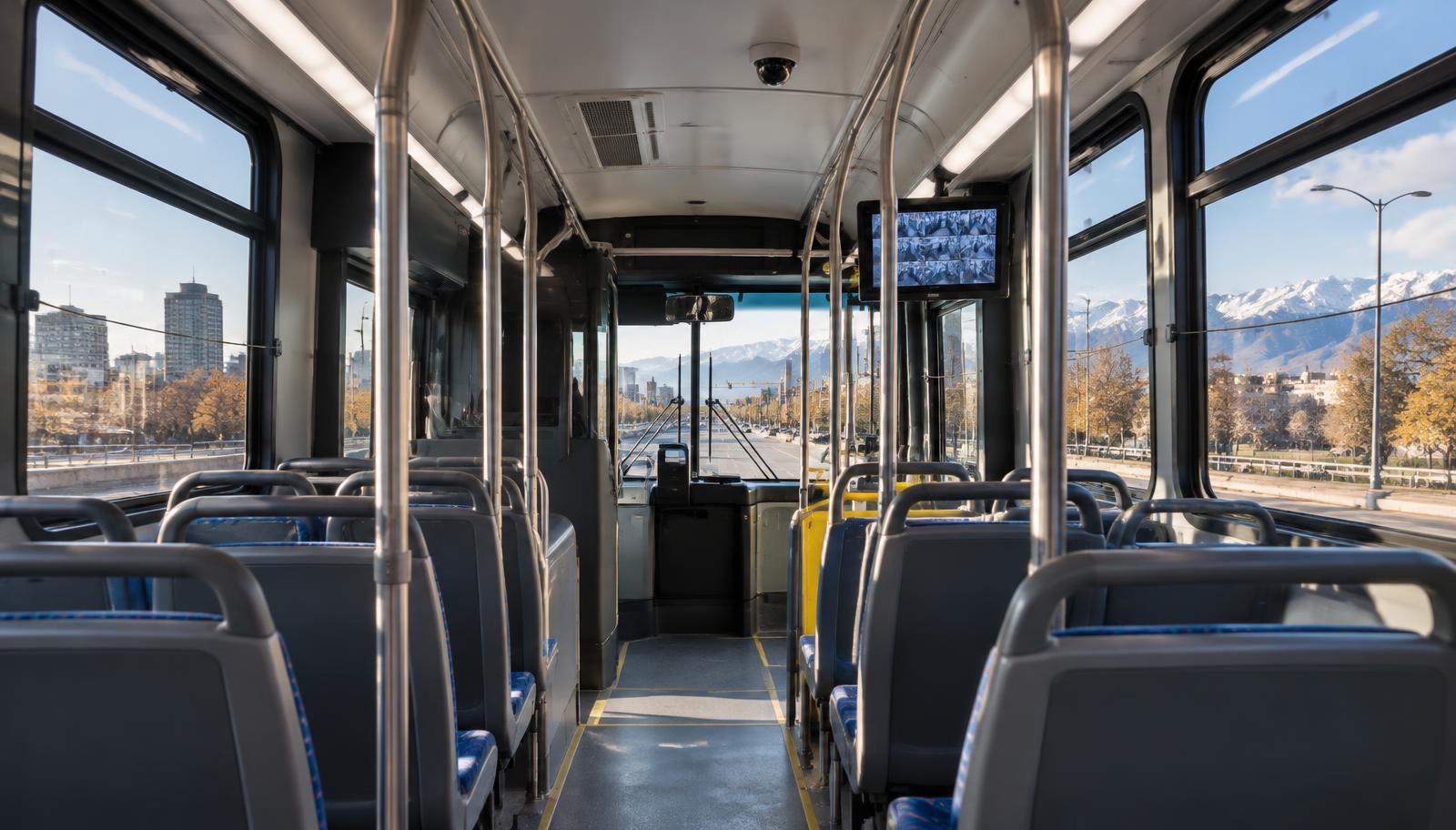
Visible cameras and a public view monitor near the farebox tell riders that conduct is recorded, while operator-facing and door cameras preserve the sequence of an event. The result is both preventive and investigative. Riders see the system, and authorized reviewers can later reconstruct who approached, what occurred and how the operator responded.
The public view monitor should reinforce awareness without distracting the operator. Camera positions should cover the operator workstation, front door, fare collection zone and movement toward the barrier. Audio can add context where agency policy and law allow it. Agencies should review audio recording with counsel and labor representatives before activation.
How do operator barriers and cameras work together?
An operator barrier creates physical separation, while cameras document activity on both sides of that boundary. One does not substitute for the other. The barrier can slow unwanted access. The video shows the approach, interaction and response, giving dispatch, investigators and agency leadership a complete record instead of an isolated camera angle.
Barrier geometry matters during camera placement. Reflections, door movement, fare equipment and the operator's sightline can create blind spots. A field review should test views with the barrier open and closed and under both daylight and nighttime lighting. See the transit bus security system overview for the wider onboard design.
How can a covert alert give dispatch a live view?
A covert control at the operator seat can mark the recording, notify dispatch and request a live look-in over the bus cellular router. Dispatch receives visual context without requiring the operator to describe the incident aloud. That workflow can improve decisions about supervision, law enforcement response and safe vehicle routing during a developing event.
The workflow needs defined roles. Agencies should decide who receives an alert, who may open a stream, how long the session remains available and how access is logged. The operator assault prevention program should connect this technical response with training, barriers and agency procedures.
What makes transit video usable evidence?
Usable evidence has synchronized time, stable camera identifiers, protected exports and a record of every person who views or shares the file. Video that cannot establish where it came from or whether it changed creates avoidable questions. The evidence process should begin when dispatch flags the event, not days later during a manual search.
An enterprise-grade rugged onboard server should preserve recordings through vibration, temperature change and interrupted power. After an incident, cloud-based evidence sharing can control access, expiration and audit history. Those controls support prosecution, claims review, labor review and internal learning without passing files through uncontrolled media.
What should the incident review workflow include?
A sound incident review workflow protects the original recording, assigns responsibility and turns findings into an operational change. Review should include the operator, safety staff and other authorized stakeholders under agency policy. The goal is not only to close a case. It is to improve coverage, training, dispatch response and route procedures.
- Confirm the alert time, vehicle, route context and operator report.
- Protect the relevant video window from routine overwrite and preserve the original export.
- Collect views from the operator area, doors, aisle and exterior cameras on a synchronized timeline.
- Record each authorized view, export and share to maintain chain of custody.
- Review the event for camera blind spots, alert delays, training needs and procedure changes.
- Release evidence only through the agency's approved process and retention policy.
School and transit teams face different operating rules, but the evidence discipline is similar. Our article on cloud-based incident response explains why protected sharing and audit history matter, while AI-supported proactive monitoring shows how focused alerts can reduce the burden of watching every feed.
How should agencies address privacy and signage?
Transit agencies should publish what is recorded, why it is recorded, who may access it and how long it is retained. Visible signage supports transparency and deterrence. Access should be role based, exports should be logged and routine viewing should be limited to a defined operational purpose rather than general employee monitoring.
Policies should address audio, public records requests, labor agreements, law enforcement sharing and access by contractors. Counsel and labor representatives should review the program before launch. A clear policy protects riders and operators while giving authorized staff enough access to respond to incidents and preserve evidence.
How should a transit agency scope a fleet pilot?
A fleet pilot should test a representative group of buses, routes, cellular conditions and operator workstations before the agency defines a fleetwide standard. The pilot must measure complete workflows, not camera image quality alone. Alert delivery, live look-in, export speed, privacy controls and operator feedback all belong in the acceptance criteria.
Transit operator protection checklist
- Map the operator area, farebox, front door, aisle and exterior approach views on each pilot bus type.
- Test barrier reflections and blind spots in daylight, darkness and changing street light.
- Confirm covert alert placement can be reached without visible movement or distraction.
- Measure alert delivery and live look-in across weak and strong cellular coverage areas.
- Run a complete evidence export, audit and authorized sharing exercise.
- Review audio, signage, retention and access rules with counsel and labor representatives.
- Collect structured operator and dispatcher feedback before approving a fleet standard.
Confluence Security can scope a Colorado fleet pilot around the buses, routes and systems your agency already operates. Agencies planning centralized oversight can also review what security operations center monitoring includes. Call 303 596 7819 or use the contact page to start. For the full protection framework, review our transit operator assault prevention service.
Frequently asked questions
- How do transit bus security cameras help protect operators?
- Transit bus cameras make recording visible, give dispatchers better information during an incident and preserve evidence for investigation. They work best with operator barriers, de-escalation training, a covert alert and a written response procedure.
- Where should cameras cover the operator area?
- Coverage should show the operator workstation, farebox interaction zone, front door and approach to the barrier without blocking the operator's view. A separate door camera can document boarding and exit activity while an operator-facing view preserves the incident sequence.
- Can dispatch view live video from a transit bus?
- Yes, when the onboard recorder, cellular router and dispatch platform are designed for live look-in. Agencies should define who may activate a stream, what triggers access and how the access event is logged before deploying the feature.
- Should transit buses record audio?
- Audio can add critical context, but consent, labor, privacy and public records rules vary. Transit agencies should review audio recording with counsel and labor representatives, publish a clear policy and use visible notice where required before enabling it.
- How long should operator assault video be retained?
- The agency should set retention through policy based on investigation timelines, claims, public records duties, labor agreements and available storage. Flagged incidents should move into a controlled evidence workflow so routine overwrite settings do not destroy needed material.
- Can Confluence Security scope a fleet pilot in Colorado?
- Yes. Confluence Security serves transit agencies in Colorado and the surrounding service region. A pilot can validate camera views, alert latency, cellular performance, evidence export and operator feedback before the agency establishes a fleetwide standard.