Technology
Security Operations Center Monitoring: What It Includes and When an Organization Needs It
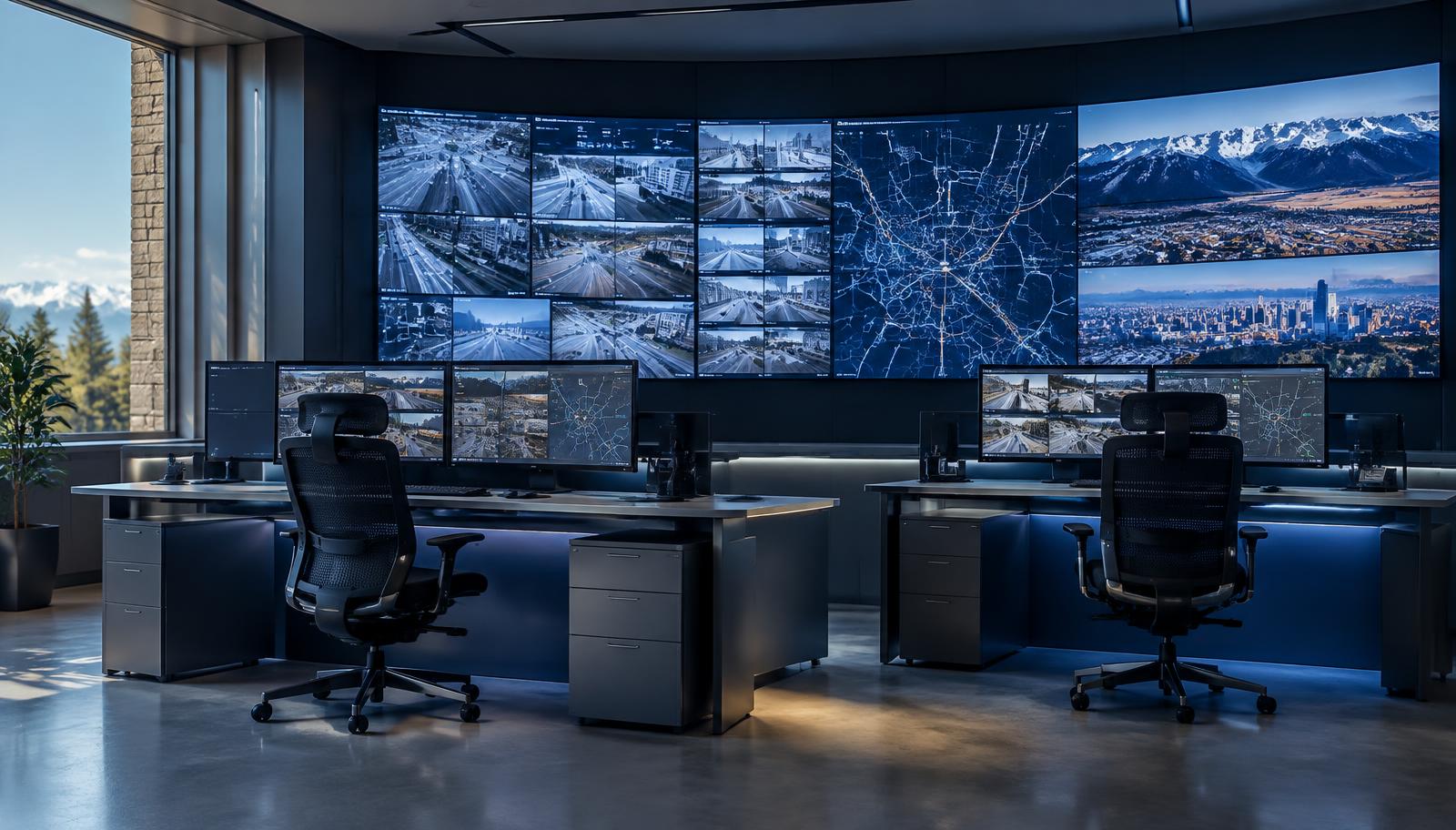
Security operations center monitoring unifies video, access control, ALPR, alarms and analytics in one platform so trained operators can verify events, conduct live look-ins, coordinate responders and preserve evidence. Organizations need it when the volume, spread or consequence of security events exceeds what disconnected systems and informal response procedures can handle.
A security operations center is an operating function, not simply a room with monitors. The platform, staffing model, procedures and responder relationships have to work together. A smaller organization may use remote monitoring. A multi-site district or transit agency may need an in-house or hybrid model.
What is a physical security operations center?
A physical security operations center is the coordinated point where authorized staff receive, verify and manage security events. It combines live and recorded video, access control, license plate recognition, intrusion and duress alarms, intercoms and analytics so operators can understand an event without switching among disconnected applications.
The value is the shared timeline and common procedure. A forced door event can open nearby video, show the associated credential activity and present the response instructions for that site. The operator sees context, acknowledges the event, contacts the right responder and records what happened in one controlled workflow.
How do in-house, remote and hybrid monitoring differ?
In-house monitoring gives the organization direct control and deep local knowledge. Remote monitoring assigns defined events to an external team. Hybrid monitoring combines the two, often using local staff for operational decisions and remote operators for selected alarms, overflow or periods when the local desk is not staffed.
In-house vs remote vs hybrid monitoring
- In-house monitoring fits organizations with trained staff, complex site knowledge and a steady volume of events that require local coordination.
- Remote monitoring fits defined alarm-verification workflows where an external operator can follow clear instructions and contact designated responders.
- Hybrid monitoring fits organizations that want local control during core operations and external support for selected sites, event types or coverage periods.
- The right model depends on event volume, facility criticality, staffing capability, responder relationships and the decisions an operator is authorized to make.
What do security operations center operators actually do?
SOC operators turn signals into documented actions. They verify alarms, open live views when policy permits, conduct scheduled virtual guard tours, track activity across cameras, contact designated responders and preserve relevant evidence. They also monitor system health so failed cameras, storage or communications do not remain unnoticed.
A transit alert may require a live look-in and dispatcher escalation, as described in our operator assault prevention camera guide. A healthcare duress event may require location verification and a clinical response procedure. A cannabis facility alarm may require inspection-ready documentation under the Colorado cannabis security framework.
How do AI analytics reduce nuisance alarms?
AI analytics can distinguish useful event categories from routine motion and apply rules that match the site. That reduces nuisance alarms before they reach an operator. The benefit is focused attention, not automatic decision-making. Every analytic needs field testing and a documented human response when its alert reaches the queue.
The automated intelligence monitoring platform can help classify people, vehicles and behavior patterns where the scene supports it. Rules should account for weather, shadows, animals, normal delivery traffic and scheduled activity. Operators need a way to report bad alerts so the configuration improves instead of becoming background noise.
What staffing and coverage questions should leaders ask?
Leaders should define when the SOC is staffed, which events require immediate handling, what an operator may decide and who receives each escalation. Coverage is a responsibility map before it is a schedule. If nobody owns an alarm category or a handoff period, the technology cannot close that gap.
- Which sites, doors, cameras and alarm types are monitored, and during which operating periods?
- Which events require verification, acknowledgement, escalation or evidence preservation?
- Who covers breaks, shift changes, major incidents and simultaneous alarms?
- Which responders can the operator contact, and what information do those responders need?
- Who reviews operator performance, procedure exceptions and recurring nuisance alarms?
- How are privacy, access, training and audit requirements enforced for every operator?
Why does an open platform matter for SOC integration?
An open platform matters because most organizations already own a mix of cameras, doors, alarms and specialized systems. A Genetec-style open architecture can bring supported devices and events into one operating view while preserving a phased upgrade path. Integration quality still has to be verified for each device and workflow.
A unified interface reduces application switching, but the deeper benefit is consistent roles, maps, event procedures and evidence handling. The organization can standardize how an event is acknowledged and escalated even when underlying equipment differs by site. Unsupported or insecure devices can then be replaced according to risk rather than all at once.
How should an organization scope SOC monitoring by site and risk?
SOC scope should begin with sites, risks and required decisions rather than a wall of screens. Each location needs an event inventory, response owner, available evidence and fallback procedure. The design can then assign cameras, analytics, access events and alarms to the workflows that produce a meaningful action.
A K-12 school security program may prioritize duress, visitor access and districtwide coordination. A commercial portfolio may prioritize after-hours intrusion and remote guard tours. Organizations near the Front Range can also review our Denver service coverage when planning multi-site assessments.
SOC readiness checklist
- List every site, critical area, security system and current monitoring responsibility.
- Define the events that require verification, escalation, responder contact or evidence preservation.
- Choose an in-house, remote or hybrid model based on authority, staffing and site knowledge.
- Confirm which existing cameras, access systems, alarms and analytics can integrate with the platform.
- Write operator procedures, privacy rules, contact paths and fallback actions before commissioning.
- Test representative events from activation through acknowledgement, escalation and final documentation.
- Train operators and responders together so each group understands the handoff.
- Review nuisance alarms, system health and procedure exceptions on a continuing schedule.
Confluence Security can assess your sites, existing systems and response responsibilities, then define an in-house, remote or hybrid operating model. Call 303 596 7819 or review our security operations center solution to begin the scope.
Frequently asked questions
- What is security operations center monitoring?
- Security operations center monitoring brings video, access control, ALPR, alarms and analytics into one coordinated operating view. Trained operators verify events, inspect live conditions, follow escalation procedures and preserve evidence for authorized review.
- What is the difference between in-house and remote monitoring?
- An in-house SOC uses the organization's own staff and facility. Remote monitoring sends selected events to an external team. A hybrid model divides duties, often keeping local operational decisions on site while remote operators handle defined alerts or after-hours coverage.
- What do SOC operators actually do?
- Operators verify alarms, conduct live look-ins, run scheduled guard tours, follow activity across cameras, escalate incidents to designated responders and preserve relevant evidence. Their work is governed by roles, procedures and audit logs rather than unrestricted viewing.
- How does AI help a physical security operations center?
- AI analytics can classify activity and filter nuisance events so operators spend less time reviewing harmless motion. Analytics should support human decisions, not replace them. Alert rules need testing against each site's lighting, traffic and operating patterns.
- Does a SOC require replacing existing security systems?
- Not always. An open platform can often integrate supported cameras, access control, alarms and other systems in phases. An assessment should confirm device support, firmware condition, event integration and evidence workflows before deciding what can remain.
- Which organizations benefit from SOC monitoring?
- Organizations with multiple sites, critical facilities, frequent alarms, limited overnight staffing or complex incident coordination often benefit. Schools, transit agencies, healthcare facilities and commercial operators should base the decision on risk, response responsibilities and operating complexity.