Compliance
Cannabis Facility Security Requirements in Colorado: What Licensees Need From a Camera and Access System
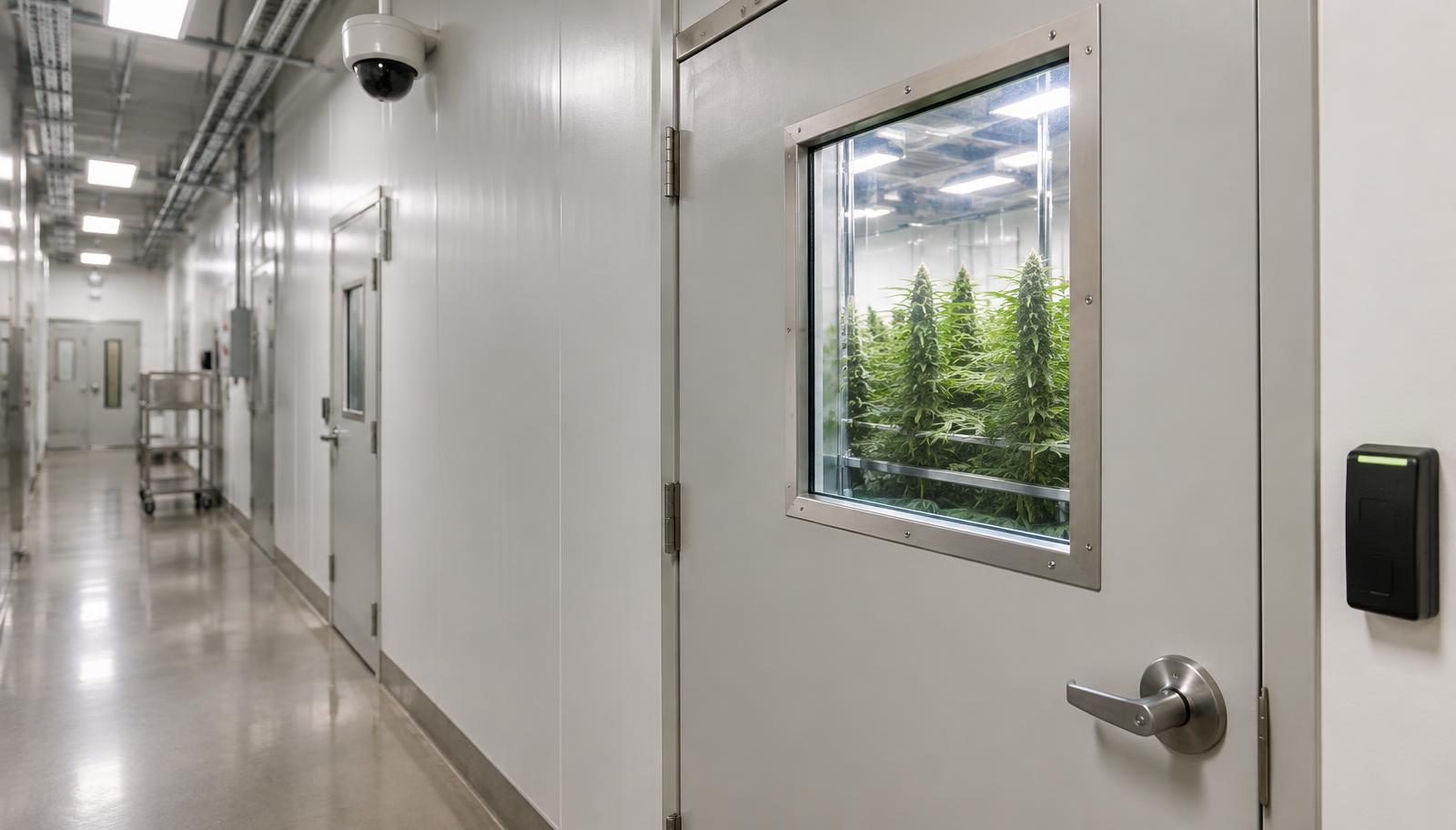
Cannabis facility security requirements in Colorado are set by the Marijuana Enforcement Division for licensed premises. In general, the rules address surveillance of limited access areas and entries and exits, recording and retention, image quality, alarms, access restriction and state access to records. Licensees must confirm current MED and local requirements before design.
Our Colorado cannabis facility security service turns those confirmed requirements into a practical camera, access, alarm and evidence plan. This article is general planning information, not legal advice. Always verify the current rules with the MED, your local jurisdiction and qualified counsel before approving a system.
What do Colorado cannabis security rules cover?
Colorado cannabis security rules generally cover where surveillance is required, how recordings must be captured and retained, the quality needed for review, alarm protection, restriction of licensed areas and state access to security records. Exact obligations can change, so a design should begin with the current rule text and local licensing conditions.
A compliance matrix is more useful than a generic camera count. List each applicable requirement, identify the physical area or operating process it affects, and name the control that satisfies it. The matrix should also identify who confirms compliance. That may include the licensee, counsel, the local authority and the system designer.
How should a cannabis camera coverage plan be organized?
A cannabis camera plan should follow product movement and access through the licensed premises. Coverage begins at entries and exits, then follows people and inventory through cultivation, processing, storage and point of sale. Every required view needs a defined purpose, expected subject distance and clear handoff to the next camera.
- Cultivation areas need views that remain useful around dense plants, equipment, changing layouts and variable light.
- Processing areas need coverage of work zones, material movement and controlled transitions without avoidable blind spots.
- Vault and secure storage areas need strong door coverage and a clear record of access and inventory movement.
- Point-of-sale areas need views suited to transactions, employee positions and movement between public and restricted space.
- Receiving and disposal routes need continuous handoff between views so material does not disappear between zones.
The wider building security approach should connect these views with doors, alarms and operating procedures. A floor plan alone is not enough. The designer should walk the facility during normal operations and confirm that shelving, plant growth, carts and temporary partitions do not defeat the intended coverage.
How do lighting and grow lights affect security images?
Grow lights, reflective surfaces and transitions between bright rooms and darker corridors can make a camera image look acceptable until a person moves through it. Camera selection and placement should be tested under actual operating light cycles. The goal is useful identification and activity review, not a bright but unreadable scene.
White balance, flicker, backlight and infrared reflection all deserve field testing. A camera looking through a window may capture reflections instead of the room. A doorway camera may lose detail when a bright cultivation area sits behind the subject. Acceptance testing should use recorded motion at each critical position, not still screenshots.
How should recording storage and backup be designed?
Cannabis surveillance storage should be sized from the retention period required by current rules, then validated against the actual camera load and recording configuration. The design should include operating margin, health monitoring and a recovery plan. Capacity on paper is not enough if a failed disk or network interruption silently removes required evidence.
Redundancy protects against equipment failure. An off-site backup can protect selected evidence against theft, fire or local damage when the architecture is permitted and properly secured. The cloud versus on-premise video comparison explains the operational tradeoffs. The final choice must preserve required access, security and export capability.
How do access control and visitor records support compliance?
Access control and visitor records establish who was authorized to enter a restricted area and when that access occurred. Permissions should follow job responsibilities, and changes should be reviewed promptly when roles change. Visitor access needs an accountable sponsor, a defined destination and a record consistent with current regulatory and facility requirements.
Door events become more useful when they are synchronized with nearby video. An operator reviewing an alarm can see the credential event and the person at the door on one timeline. That unified record improves internal investigations and inspection preparation without requiring staff to reconcile timestamps from separate systems.
How should alarms and monitoring work with video?
Alarm integration should turn a sensor event into an assigned action. The monitoring team needs the affected zone, nearby camera views, contact instructions and a clear escalation path. Video verification can provide context, but it does not replace required alarm functions or the procedures approved for the licensed premises.
A security operations center can unify video, access and alarm events for one site or several facilities. Health alerts should also identify camera, recorder and storage failures before an inspection or incident reveals them. Every alarm workflow should be tested from activation through acknowledgement and documentation.
What makes a surveillance export audit ready?
An audit-ready export is complete, playable, clearly tied to the correct cameras and time window, and accompanied by an access history. Authorized staff should be able to produce it without changing system settings or relying on one technician. Export procedures should be tested before an inspector or investigator requests material.
The budget should include evidence workflow, documentation and training rather than cameras alone. Our commercial security camera cost guide explains why storage, licensing, commissioning and documentation shape installed cost. Regulated healthcare environments use a similar policy-first approach, as described in our healthcare security guide.
How should a licensee prepare for a security inspection?
Inspection preparation should confirm that the installed system matches the approved plan, required views remain clear and authorized staff can retrieve records. The review should include cameras, doors, alarms, storage health, time synchronization and documentation. Any uncertainty about a current requirement should be resolved before the inspection with the appropriate authority or counsel.
Cannabis security pre-inspection checklist
- Confirm the current MED rules and local jurisdiction requirements against the approved security plan.
- Walk every required area and verify that doors, plants, shelving and equipment do not block critical views.
- Review recorded motion under the actual lighting used during each operating cycle.
- Check recorder, storage, network and camera health and resolve every active fault.
- Test access permissions, visitor records and alarm escalation using normal staff procedures.
- Produce a sample export and confirm that authorized staff can open, identify and share it securely.
- Verify time synchronization and document who completed each inspection check.
- Keep the approved plans, policies and support contacts available for authorized review.
Confluence Security can assess a Colorado licensed premises against its confirmed security requirements and operating plan. Call 303 596 7819 or review our Colorado cannabis facility security service to scope cameras, access, alarms, storage and inspection preparation.
Frequently asked questions
- Who sets cannabis facility security requirements in Colorado?
- Colorado's Marijuana Enforcement Division sets security rules for state-licensed premises. Local jurisdictions may add requirements. Licensees should confirm the current MED rules and local conditions before designing, changing or submitting a security system for approval.
- Which areas of a cannabis facility need video coverage?
- Current rules should guide the final plan. In practical terms, licensees should evaluate limited access areas, entries and exits, cultivation rooms, processing spaces, storage or vault areas, sales areas, receiving points and the routes connecting them.
- How much cannabis surveillance storage is required?
- The required retention period must come from the current MED rules and any local requirements. Storage should be engineered from that confirmed period, camera load, recording settings, scene activity, redundancy needs and the method used to preserve inspection or incident evidence.
- Do cannabis facilities need access control and visitor logs?
- Access restrictions and accountable records are central to a secure licensed premises. Electronic access control and visitor logs can document who entered a restricted area, when access occurred and who authorized it, subject to the current rules and facility policy.
- Can cannabis security video be stored off site?
- An off-site copy can improve resilience, but the architecture must still meet current regulatory, security and records-access requirements. Licensees should confirm permitted storage arrangements and ensure authorized staff can produce complete, usable exports when requested.
- Is this article legal advice?
- No. This article provides general security planning information. Cannabis licensees should confirm current MED rules, local jurisdiction requirements and legal obligations with qualified counsel and the appropriate regulatory authorities before relying on a design decision.