Access Control
Apartment Building Access Control in Colorado: What Owners and Managers Should Know
Modern apartment access control replaces metal keys with fobs, cards or mobile credentials at entrances, garages, amenity spaces and package rooms. The biggest wins for owners are instant credential changes when residents move out, a record of door activity, and cameras that tie to door events. Plan around tenant turnover, delivery traffic and garage gates, and choose a system your property management team can actually run day to day.
Multifamily buildings face a unique mix of security problems. Hundreds of residents, constant move-ins and move-outs, delivery drivers, contractors and guests all need different levels of access. Metal keys cannot keep up. This guide covers what owners and managers in Colorado should plan for. For the industry overview, see our multifamily and hospitality security page.
What doors should an apartment access control system cover?
Start with the doors where unauthorized entry causes the most trouble.
- Main lobby and secondary entrances
- Parking garage pedestrian doors and vehicle gates
- Package rooms and parcel lockers
- Fitness centers, pools, clubhouses and rooftop decks
- Trash rooms, bike storage and storage units
- Leasing office and maintenance areas
Unit doors are a separate decision. Smart locks on units can integrate, but many owners start with common areas and add unit locks later.
Should residents use fobs, cards or phones?
Each has a place. Fobs and cards are familiar and cheap to replace. Mobile credentials let residents open doors with a phone, cut credential costs and make move-outs instant. Many properties run both, offering a fob to residents who prefer it.
- Key fob or card: Simple, familiar, low cost per credential, can be lost or shared.
- Mobile credential: Fast to issue and revoke, harder to share, depends on resident phones.
- PIN keypad: Useful for vendors, weak alone because codes spread.
- Video intercom: Lets residents admit guests and deliveries remotely.
How does access control handle tenant turnover?
This is where electronic access pays for itself. When a resident moves out, the manager revokes the credential in seconds. No rekeying, no locksmith visit, no wondering who still has a copy. Tie access control to the property management software where possible so a lease end automatically triggers removal.
How do package rooms and deliveries fit in?
Package theft is one of the top resident complaints. A dedicated package room with access logged per carrier, or smart parcel lockers, cuts losses. Give delivery carriers time-limited credentials rather than a shared code, and put a camera on the package room door.
Should cameras connect to the access system?
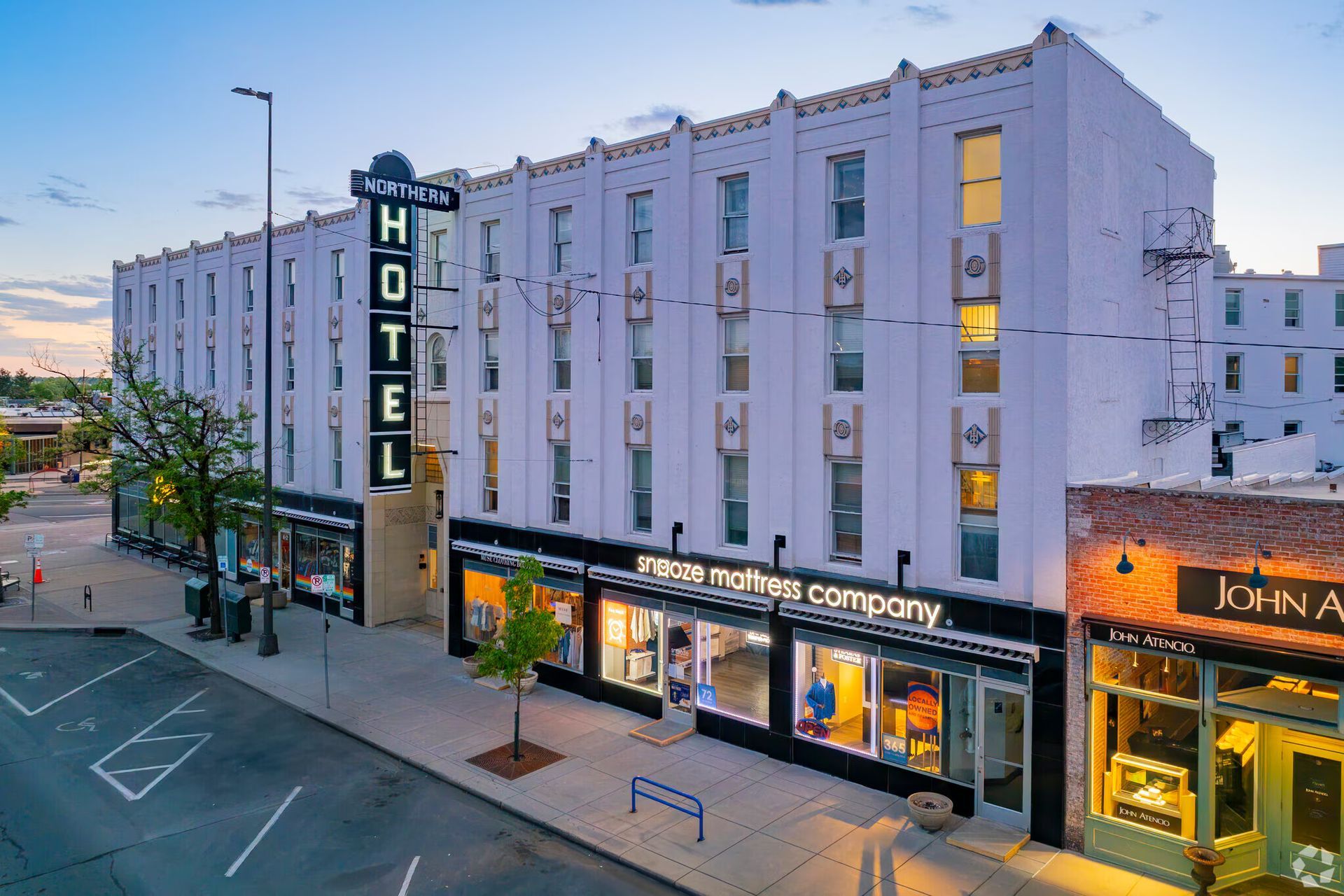
Yes. When a door event and video live in one view, managers can see who actually entered when a fob was used, spot tailgating, and answer disputes quickly. Our cloud-connected cameras pair well with access control for remote management across multiple properties. For a real example, see our Northern Hotel Apartments project.
How should owners plan the project?
- Walk every exterior and amenity door and rank risk.
- Decide on credential type and whether residents get a choice.
- Plan garage gate and vehicle access separately.
- Choose cloud or on-premises management based on how many properties you run.
- Schedule installation to minimize resident disruption.
- Train on-site staff and write a simple procedure for lost credentials.
For door-level budgeting, our access control cost per door guide explains what drives price, and the same factors apply to multifamily.
What mistakes do owners make with multifamily access control?
The most common mistake is buying hardware without a plan for who runs it. Access control only works if someone issues credentials at move-in, revokes them at move-out and reviews exceptions. If that job falls between leasing, maintenance and a third-party vendor, credentials pile up and the system slowly stops meaning anything. Assign ownership before installation.
The second mistake is ignoring the garage. Vehicle gates are often the weakest point on the property, because tailgating cars is easy and gates break often. Pair gate readers with cameras that capture plates and vehicles, and plan a maintenance contract for the gate operator itself.
The third mistake is treating amenity spaces as an afterthought. Pools, gyms and rooftop decks carry liability, and schedules that lock them overnight reduce both risk and noise complaints. Finally, think about residents who do not use smartphones. Offering a fob alongside mobile credentials keeps the system fair and avoids complaints during rollout.
Next step
Managing a multifamily property in Colorado? Call 303 596 7819 or review our building security solution to plan an access control system your team can run.
Frequently asked questions
- Can access control work with existing doors?
- Usually. Most doors can take electric strikes or electrified hardware. Some older doors and frames need repair first.
- What happens during a power outage?
- Systems use battery backup, and doors are configured to fail safe or fail secure based on fire code and the door's purpose.
- Do residents need an app?
- Only for mobile credentials. Residents who prefer a fob can usually keep one.
- Can we give contractors temporary access?
- Yes. Credentials can be limited by door, day and time, then expire automatically.
- Does access control help with insurance?
- Some insurers view access logs and camera coverage favorably. Ask your carrier.
- Can one system manage multiple properties?
- Cloud-managed systems handle multiple properties from one dashboard.